





Gastroenterologist Surgeon South Africa

Dr. Omoshoro-Jones specializes in liver, pancreas, gallbladder and bile duct procedures. Moreover, this is in addition to gastrointestinal (GIT) and specialized general surgeries. 

Resurrection Specialist

Ethical | Evidence Based | Patient-Centered | Academically Relevant | Socially Oriented

Resurrection Specialist Practice, subsidiary of Resurrection Inc founded in 2005, stands as a pinnacle of excellence in the field. Dedicated to offering unparalleled medical services, our practice specializes in the intricate domains of gastro-intestinal & hepatopancreatobiliary (HPB) surgery. With strategically located sites in both Johannesburg and Pretoria, South Africa, we ensure the delivery of cutting-edge, multi-disciplinary expertise to meet the diverse needs of our valued patients.

Gastroenterologist Surgeon South Africa

What is Gastroenterology?

Digestive System & Disorders

Gastroenterology is the branch of medicine focused on the digestive system and its disorders. It deals with the diagnosis, treatment and management of certain conditions affecting the gastrointestinal (GI) tract. This includes vital organs such as the stomach, intestines, liver, gallbladder and the pancreas. Gastroenterologists are physicians who specialize in this field & are trained to diagnose and treat a wide range of gastrointestinal diseases and disorders

Gastroenterologist Surgeon South Africa

Services Rendered

Services provided by Resurrection Practice include but not limited to:

Gastroenterologist Surgeon South Africa

Specialized Organ based procedures

Surgical procedures focusing on organs, ensuring optimal health and functionality.

Gastroenterologist Surgeon South Africa

Specialized General Surgery

We offer precise and expert surgery addressing diverse medical conditions.

Gastroenterologist Surgeon South Africa

Endoscopic & Natural Orifice Surgery

We specialize in minimally invasive procedures through natural openings.

Gastroenterologist Surgeon South Africa

Miscellaneous - Trauma Surgery

Versatile surgical expertise managing diverse trauma cases.

Diagnostic Procedures

Gastroenterologists employ a range of diagnostic procedures to assess and diagnose conditions affecting the gastrointestinal (GI) tract. These procedures include endoscopy, which involves inserting a flexible tube with a camera to visualize the upper or lower digestive tract, aiding in the detection of ulcers, inflammation, polyps and cancer. Colonoscopy is specifically used to examine the colon and rectum, often for colorectal cancer screening and investigating symptoms like rectal bleeding or changes in bowel habits.

Capsule endoscopy offers a non-invasive method to visualize the small intestine, useful for diagnosing conditions like Crohn’s disease and obscure gastrointestinal bleeding. Endoscopic ultrasound combines endoscopy with ultrasound imaging to assess the gastrointestinal walls, detect tumors and moreover, guide biopsies or drainage procedures. Liver biopsy provides samples for microscopic examination, aiding in the diagnosis of liver diseases such as hepatitis and cirrhosis. Additionally, various imaging studies, including X-rays, CT scans, MRIs and ultrasound, help visualize the GI tract and identify abnormalities like tumors or obstructions.

Symptoms of Gastroenterology

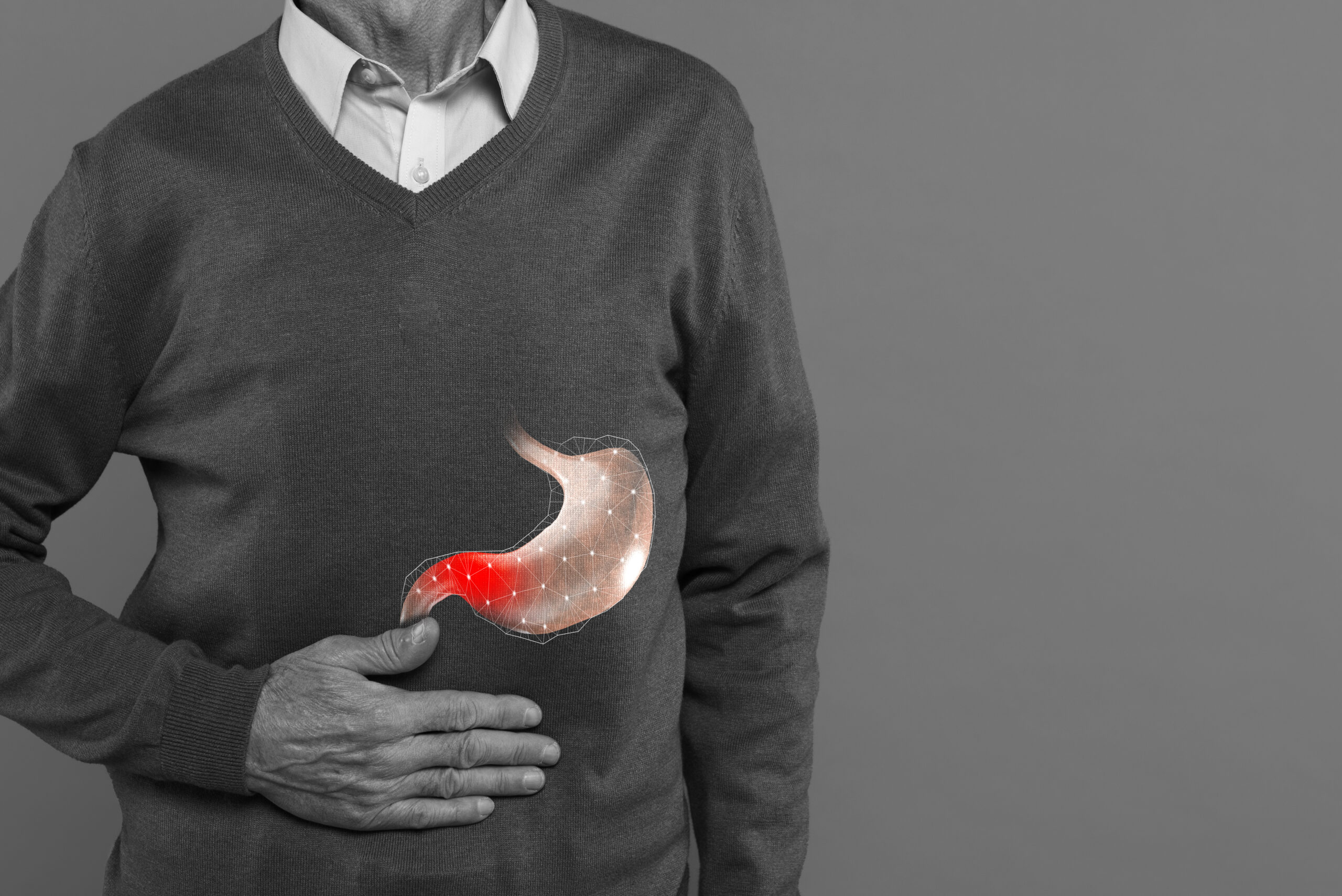
Gastroenterological symptoms encompass a wide array of manifestations that signal potential issues within the gastrointestinal (GI) tract. Common symptoms include abdominal pain, which can vary in intensity and duration, often providing clues to the underlying cause. Heartburn and acid reflux, characterized by a burning sensation in the chest and regurgitation of stomach acid, may indicate gastroesophageal reflux disease (GERD). Changes in bowel habits, such as diarrhea, constipation or alterations in stool consistency, color and frequency, can point to conditions like irritable bowel syndrome (IBS) or inflammatory bowel disease (IBD).

Bloating, gas, nausea, vomiting and rectal bleeding are additional symptoms that may signify various GI issues, including infections, inflammation or structural abnormalities. Unexplained weight loss, difficulty swallowing, jaundice and fatigue are also noteworthy symptoms that could indicate underlying digestive disorders or liver-related conditions.

While experiencing one or more of these symptoms does not always signify a serious GI condition, persistent or severe symptoms warrant evaluation by a healthcare professional. Early diagnosis and treatment are crucial for effectively managing gastrointestinal disorders and preventing potential complications. Therefore, individuals experiencing concerning symptoms, especially when accompanied by other alarming signs like fever, unintentional weight loss or significant changes in bowel habits, should seek medical attention promptly to ensure proper assessment and appropriate management of their condition.

Gastroenterology

A specialty focused on the diagnosis, treatment and management of disorders affecting the gastrointestinal (GI) tract, which is a complex system responsible for digestion, absorption of nutrients & elimination of waste. The organs involved in gastroenterology include:

Esophagus

A muscular tube that connects the throat (pharynx) to the stomach. It transports swallowed food and liquids to the stomach through a series of coordinated muscle contractions called peristalsis.

A hollow organ located in the upper abdomen, responsible for mixing food with digestive juices (such as hydrochloric acid and enzymes) to break it down into smaller particles for further digestion.

The longest part of the digestive tract, consisting of three segments: the duodenum, jejunum & ileum. It plays a crucial role in nutrient absorption, as well as the digestion of carbohydrates, proteins & fats.

This organ absorbs water & electrolytes from undigested food, forming stool. It also houses a large population of bacteria that aid in the fermentation of undigested carbohydrates & production of certain vitamins.

The final segment of the large intestine, responsible for storing stool until it is eliminated through the anus during defecation.

The opening at the end of the digestive tract through which stool exits the body. It is surrounded by muscles that control the passage of feces during bowel movements.

Gastroenterologist Surgeon South Africa

Gastroenterologist Surgeon South Africa

Information Articles

Gastroenterological Symptoms:
Introduction: Gastroenterological symptoms encompass a wide range of manifestations that...

Read More
The role of a Gastroenterologist:
Introduction: The role of a gastroenterologist encompasses several key responsibilities aimed...

Read More
Gastroenterological Treatments
Gastroenterological Treatments:
Medications: The treatment options for gastroenterological conditions vary depending on the...
Read More